

Diapers
RONGPY– One-Stop Solution Diapers Manufacturer in China
As a trusted and experienced bedding supplies manufacturer in China, RONGPY specializes in producing high-quality, durable products designed to meet a wide range of needs. Our main products include disposable bed pads, washable bed pads, mattress pads, bed rails, diapers and other protective bedding solutions. Our products are crafted from superior materials, offering exceptional absorbency, comfort, and reliability for hospitals, nursing homes, and home care settings. Contact us today to get a free quote or to learn more about our wide range of bed pads.
-
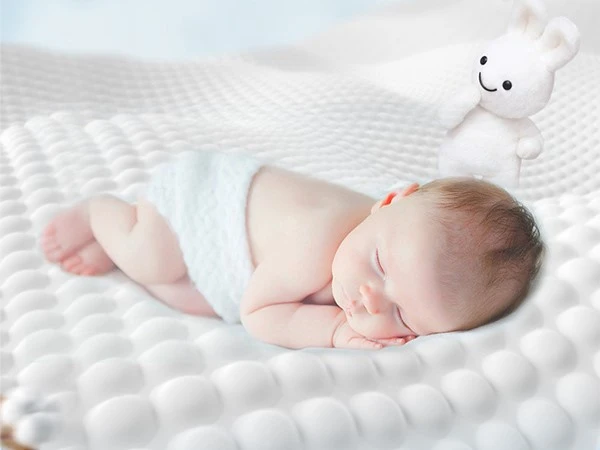
![Baby Diapers Pull Up Diapers]() Baby Diapers Pull Up DiapersDiaper are made from a quilted, soft fabric that feels like lying in the cloud. Plus stretchy sides make for a snug fit even when the baby is crawing, playing, walking, and moving around.read more
Baby Diapers Pull Up DiapersDiaper are made from a quilted, soft fabric that feels like lying in the cloud. Plus stretchy sides make for a snug fit even when the baby is crawing, playing, walking, and moving around.read more

Everything You Need to Know About Diapers: A Complete Guide
Diapers are an essential part of life for parents and caregivers of babies, toddlers, and sometimes even adults with specific medical needs. They offer convenience and a way to maintain hygiene, making daily life easier for both caregivers and users. In this guide, we’ll explore the types of diapers, how they work, key features to look for, and some helpful tips for selecting the right diaper.
What is a Diaper?
A diaper is an absorbent garment worn by individuals who are not yet potty-trained or are unable to use the toilet due to medical or age-related issues. Diapers are designed to absorb and contain urine and stool, keeping the skin dry and clean. They come in various styles, sizes, and materials to suit different needs and preferences.
Types of Diapers
There are several types of diapers available, each catering to different needs:
-
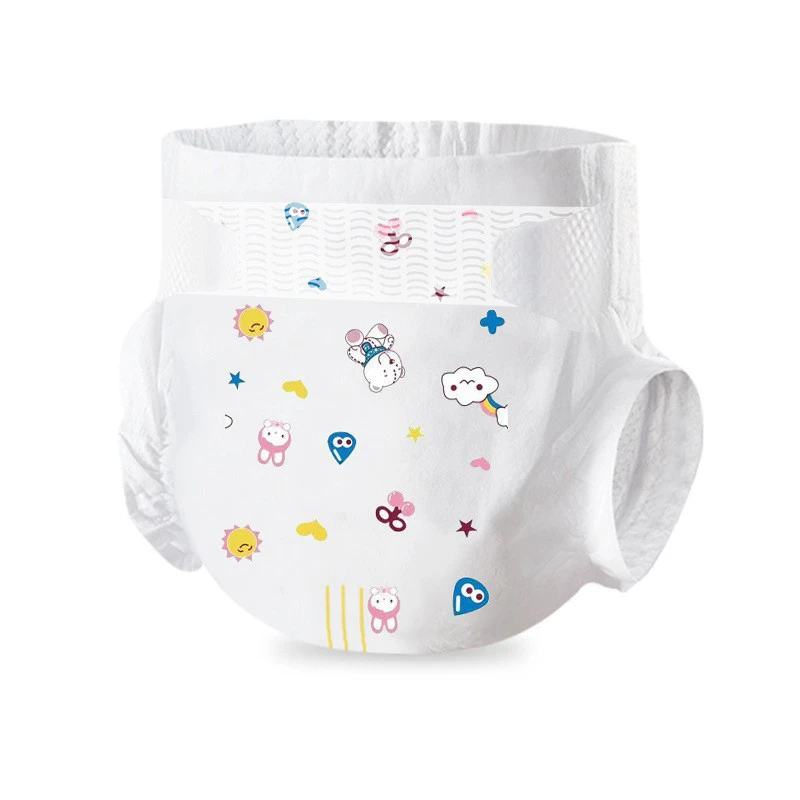
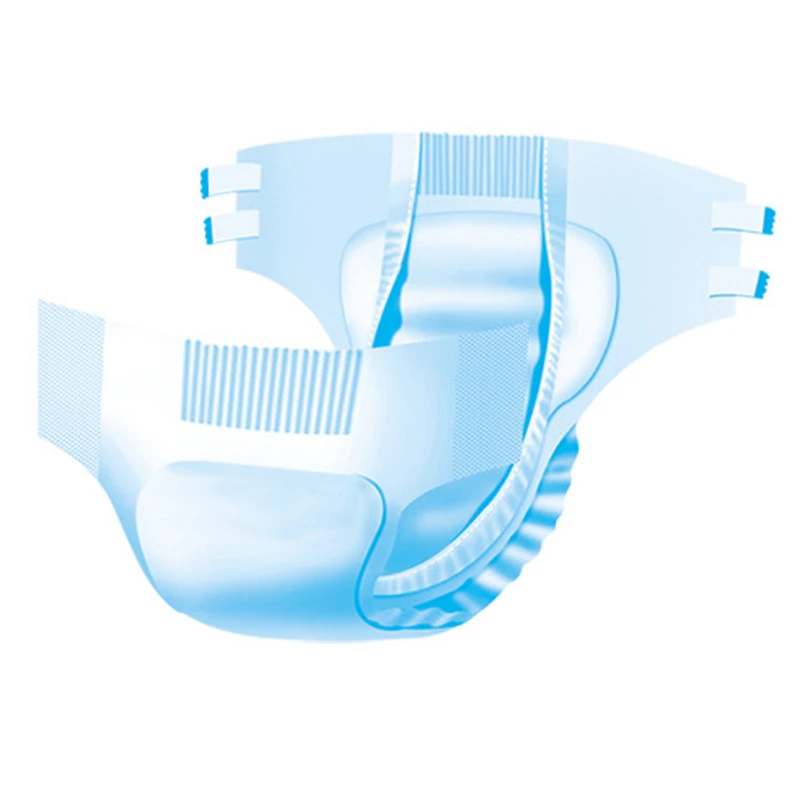
Disposable Diaper
These are single-use diapers designed for convenience.
Made with multiple absorbent layers, disposable diapers are known for their ease of use and excellent absorbency.
Commonly used for babies, toddlers, and adults with incontinence.
-
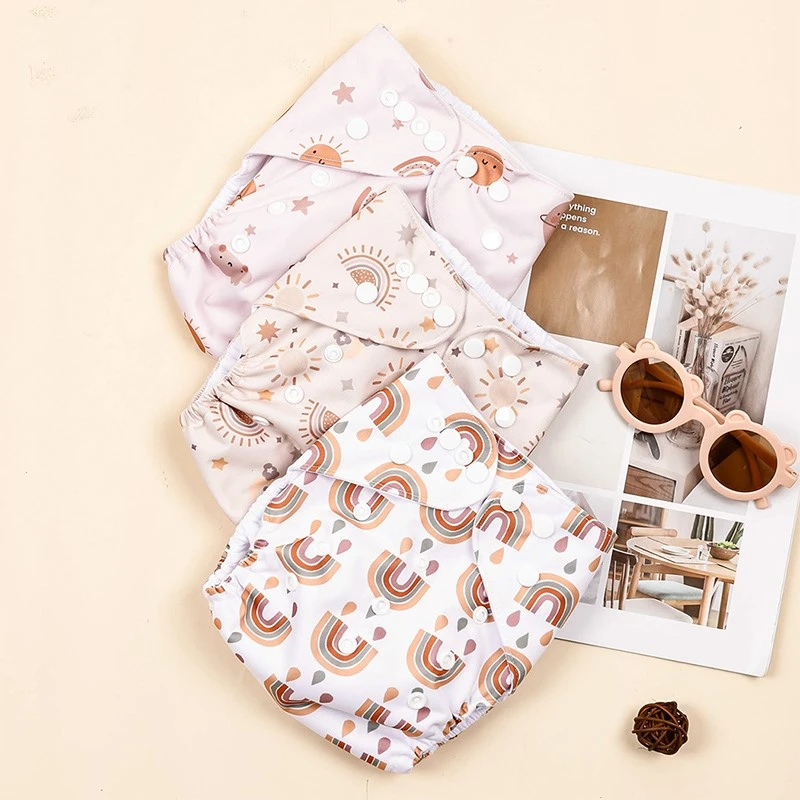
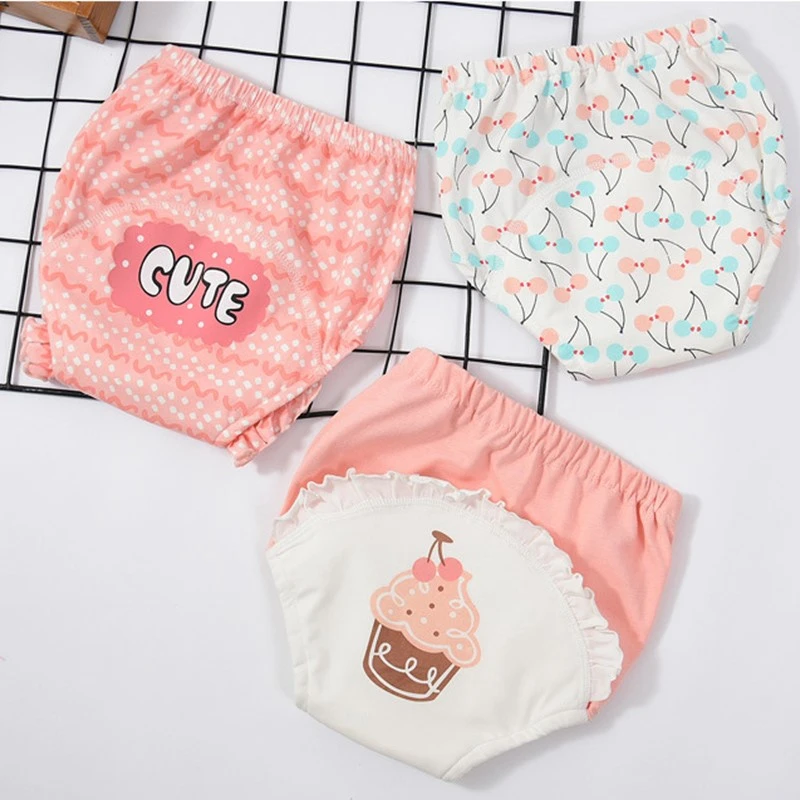
Cloth Diapers
Cloth diapers are reusable and made from materials like cotton, bamboo, or hemp.
They require washing after each use, making them an eco-friendly choice.
Many cloth diapers now come with snaps or Velcro for easy adjustments.
-
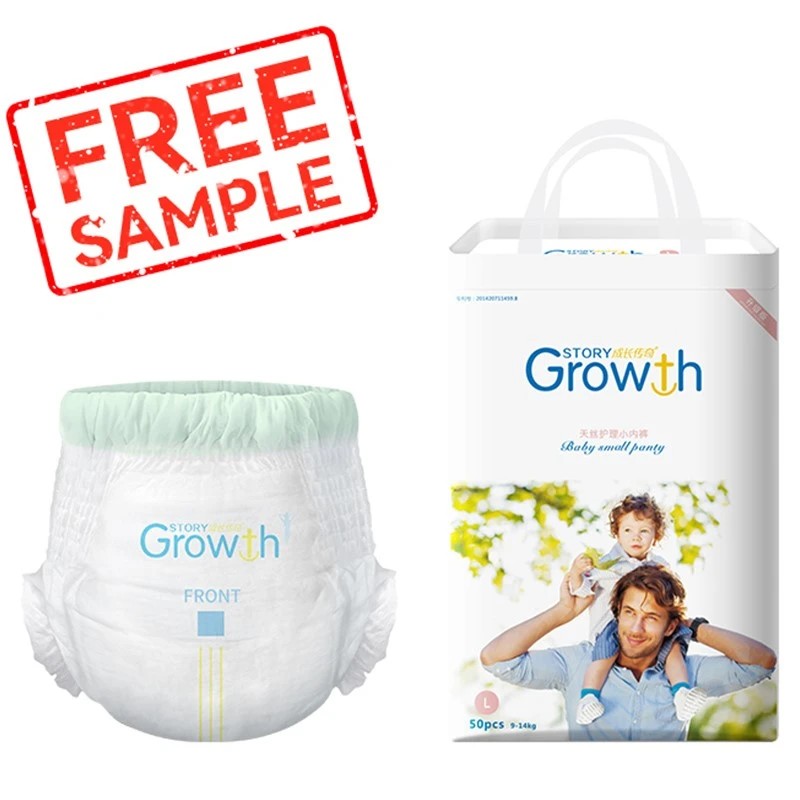
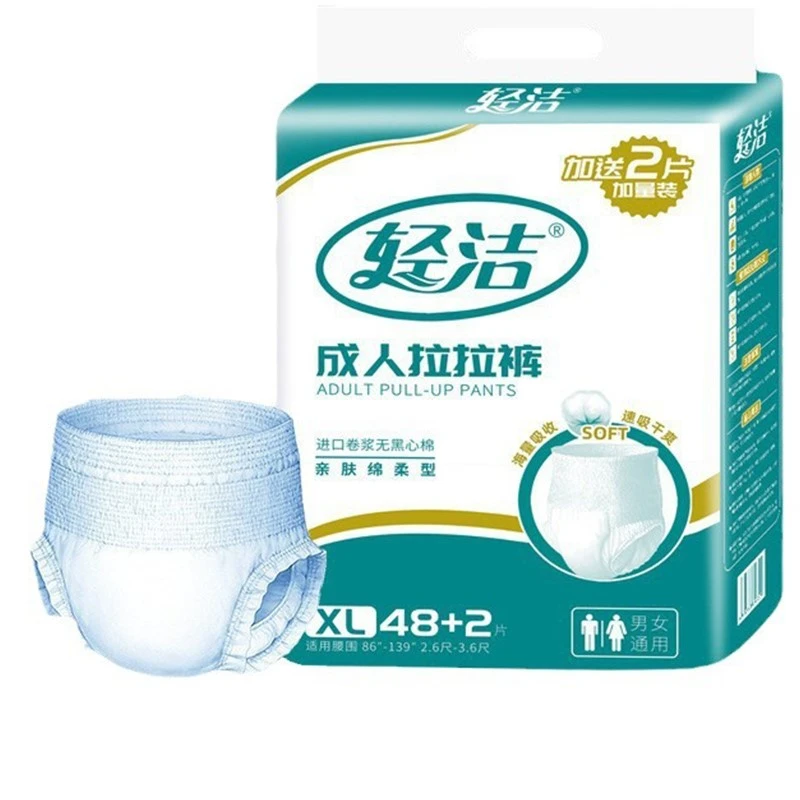
Pull-Up Diapers
These look like underwear and are often used during potty training.
Designed for easy pulling on and off, they are popular with toddlers and young children.
Pull-ups are also used by adults who may need a little extra support.
-
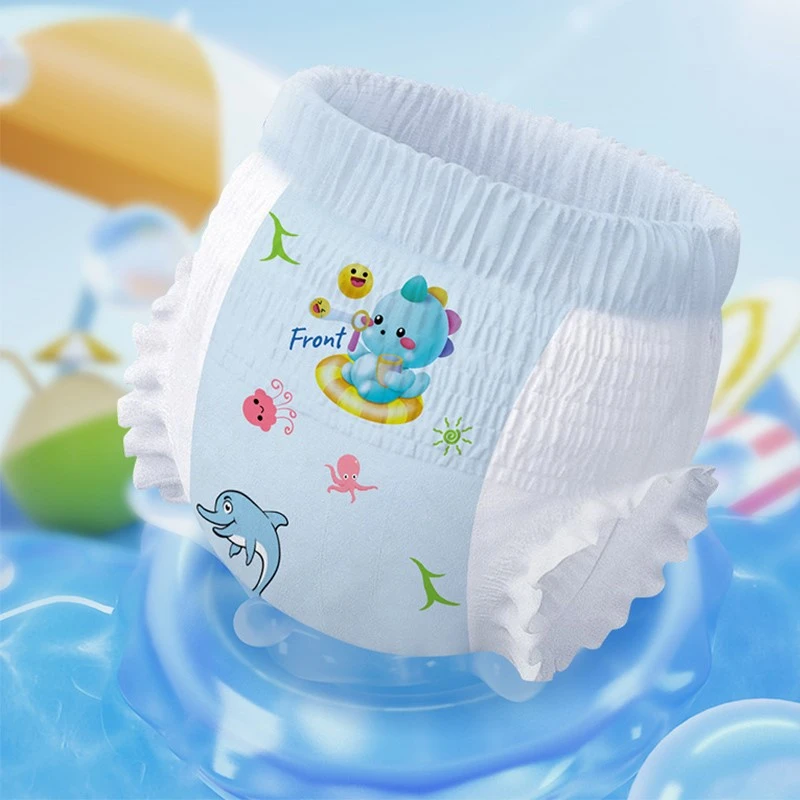
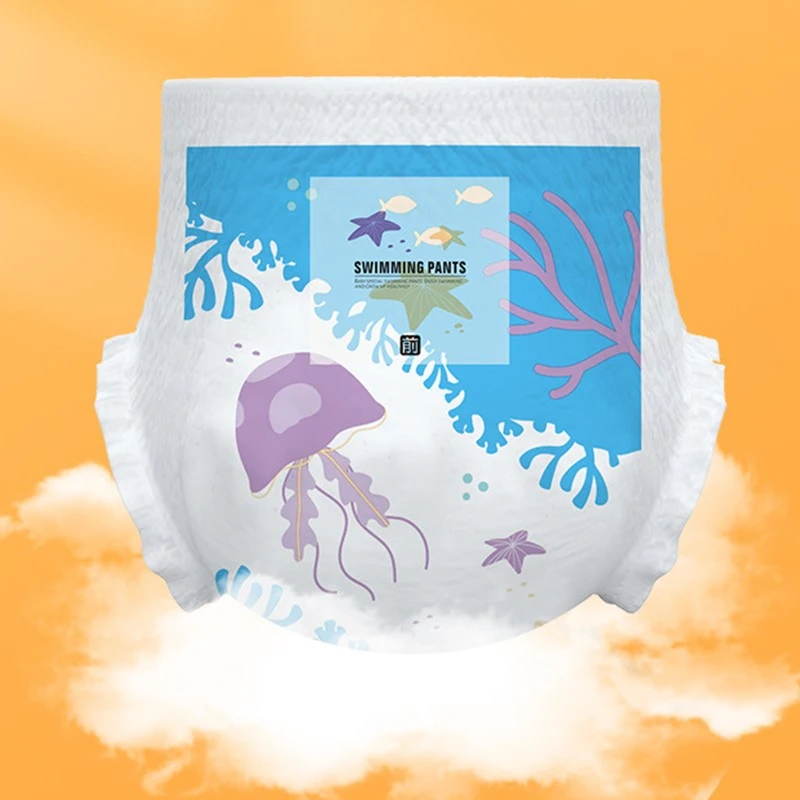
Swim Diapers
Made specifically for water use, these prevent solid waste from leaking into the pool.
They do not absorb liquids like regular diapers, so they don’t become heavy or uncomfortable in the water.
-
Overnight Diapers
Overnight diapers have a higher absorbency level to keep the wearer dry throughout the night.
They’re popular for babies and toddlers who sleep for long periods.
How Diapers Work: Layers and Materials
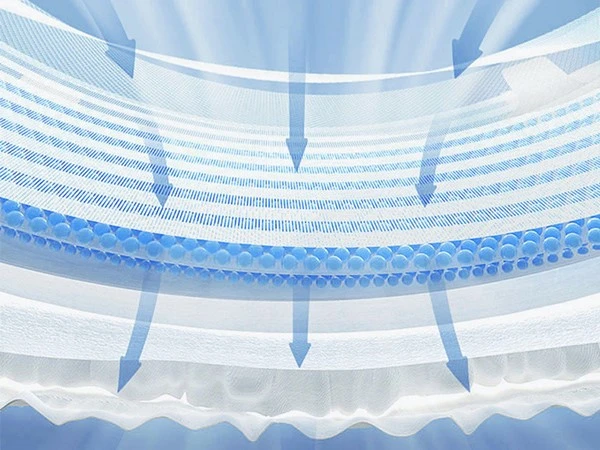
The structure of a diaper is designed to absorb moisture, keep it away from the skin, and provide a comfortable fit.
Most disposable diapers consist of three main layers:
Top Layer (Inner Layer)
This is the soft, inner layer that touches the skin. It’s often made of a breathable material to allow airflow while wicking moisture away from the skin.
Some brands use hypoallergenic and gentle materials to reduce irritation.
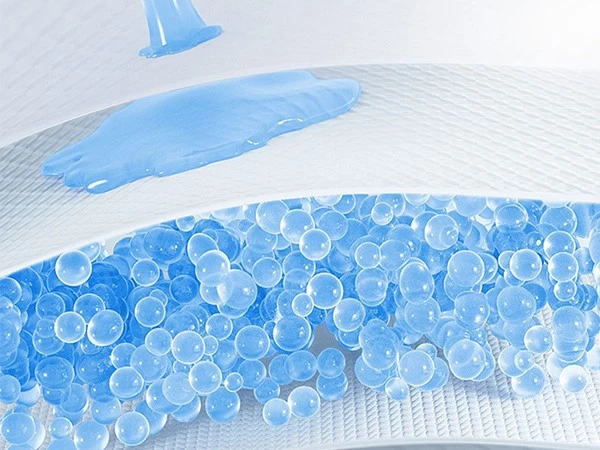
Absorbent Core
The core is where the liquid is absorbed and stored. This layer usually contains super absorbent polymers (SAP) that can soak up large amounts of liquid and turn it into a gel.
The SAP keeps the liquid locked in, preventing leaks and keeping the skin dry.
Outer Layer (Waterproof Layer)
The outermost layer prevents liquid from leaking out of the diaper. It’s typically made of a breathable, waterproof material that keeps moisture in while still allowing airflow.
Some diapers also have additional features, such as wetness indicators (changing color to show when the diaper is wet) or elastic leg cuffs (to prevent leaks around the legs).
Key Features to Look for in Diapers
When choosing a diaper, there are several important features to consider:
Absorbency
A diaper’s main job is to absorb moisture and keep it away from the skin. Look for diapers with a high absorbency level to prevent leaks, especially for overnight use.
Size and Fit
Diapers come in different sizes to suit babies, toddlers, and adults of various body shapes. The right fit is crucial for comfort and leak prevention.
Check the weight range on the packaging to find the appropriate size.
Disposable Baby Diapers Size (FYI) |
||||
| Size | S | M | L | L |
| Suggested Weight | 3-6kg | 5-12kg | 9-18kg | 11-25kg |
Disposable Baby Pull Up Diapers Size (FYI) |
||||
| Size | M | L | XL | XXL |
| Suggested Weight | 5-10kg | 8-13kg | >11kg | >14kg |
| Disposable Adult Diaper Size (FIY) | |||
| Size | Specification | Waist Range | Hip Range |
| M | 650*800MM | 67-124CM | 80-112CM |
| L | 750*900MM | 76-143CM | 102-142CM |
| XL | 800*990MM | 82-153CM | 132-173CM |
| Disposable Adult Pull Up Diaper Size (FIY) | |||
| Size | Specification | Waist Range | Hip Range |
| M | 690*730MM | 42-108CM | 70-110CM |
| L | 690*800MM | 46-130CM | 105-150CM |
| XL | 800*800MM | 50-150CM | 145-170CM |
Breathability
Breathable materials allow air to circulate, reducing the risk of diaper rash and irritation.
Comfort and Softness
The inner lining of the diaper should be soft and comfortable to avoid skin irritation. Look for hypoallergenic options if the wearer has sensitive skin.
Leak Protection
Many diapers come with elastic bands around the legs and waist to prevent leaks. Some also have double leak guards for added protection.
Environmental Impact
For those looking for eco-friendly options, consider cloth diapers or biodegradable disposable diapers that decompose more easily.
Ease of Use
Disposable diapers are convenient and easy to change. Cloth diapers require more maintenance but can be more economical in the long run.
Tips for Choosing the Right Diaper
Selecting the right diaper can make a big difference in comfort and convenience. Here are some tips to help you make the best choice:
Consider the Age and Activity Level: Babies and toddlers are often more active, so a diaper with flexible materials and a snug fit will be more comfortable for them. For adults, prioritize a good fit and absorbency level.
Check for Sensitivities: If the wearer has sensitive skin, look for hypoallergenic materials and avoid diapers with added fragrances or dyes.
Think About Usage Time: If you need a diaper for overnight use, look for one specifically designed for overnight absorbency. For daytime, a regular diaper may suffice.
Look for Convenient Features: Wetness indicators, easy fasteners, and adjustable tabs can make a diaper more user-friendly.
Consider Your Environmental Preferences: If sustainability is a priority, you may want to opt for cloth diapers or eco-friendly disposable options.
How to Properly Use and Dispose of Diapers
Proper usage and disposal of diapers are crucial for maintaining hygiene:
Changing Diapers Regularly:
For babies, change diapers every 2-3 hours or whenever you notice wetness. For adults, follow a similar schedule depending on their needs.
Change diapers as soon as possible after a bowel movement to prevent rashes or infections.
Cleaning the Skin:
Use gentle baby wipes or a washcloth to clean the skin thoroughly during each diaper change.
Allow the skin to air-dry or pat it dry with a towel to prevent moisture buildup.
Applying Diaper Cream (if needed):
Diaper creams can help protect the skin from irritation. Apply a thin layer to create a barrier between the skin and moisture.
Disposing of Diapers:
For disposable diapers, wrap them up tightly and seal them in a bag or diaper disposal system. Always dispose of them in the trash.
Cloth diapers should be rinsed immediately after use and washed according to the manufacturer’s instructions to ensure proper cleaning.
Frequently Asked Questions (FAQs)
Q: How often should I change a diaper?
A: For babies, every 2-3 hours or after a bowel movement. For adults, it depends on their level of incontinence but generally every 3-4 hours or as needed.
Q: Can I reuse a disposable diaper if it’s only slightly wet?
A: No, it’s best to change the diaper once it’s been used, even if slightly wet. Reusing diapers can cause discomfort and increase the risk of skin irritation.
Q: Are cloth diapers difficult to care for?
A: Cloth diapers require regular washing, which can be a bit more work. However, many parents and caregivers find the routine manageable and appreciate the long-term cost savings.
Q: Do pull-ups work as well as diapers for heavy incontinence?
A: Pull-ups are often best for mild to moderate incontinence. For heavy incontinence, a traditional diaper with higher absorbency is generally more effective.
Q: What size diaper should I choose?
A: Diaper sizes are based on weight and age, but always check the manufacturer’s guidelines. The diaper should fit snugly but not tightly, and there should be no gaps around the legs or waist. If you notice frequent leaks, it may be time to size up.
Q: How can I tell if the diaper fits properly?
A: Waist: The diaper should sit comfortably just below the belly button.
Leg Openings: No gaps around the legs, but it shouldn’t leave red marks.
Tabs: Tabs should meet or be close to the middle without overlapping, showing a comfortable fit.
Absorbency: The diaper should be able to hold liquid without leaking. If it leaks or sags, try a different brand or size.
Q: What is a wetness indicator, and how does it work?
A wetness indicator is a line on the outside of many disposable diapers that changes color when the diaper becomes wet. This feature helps caregivers know when it’s time for a change without needing to open the diaper.
Q: What should I do about diaper rash?
A: Diaper rash is a common irritation caused by prolonged contact with moisture, friction, or sometimes allergic reactions to diaper materials. Here are steps to prevent and treat diaper rash:
Change Frequently: Keep the area dry by changing the diaper promptly after it gets wet or soiled.
Clean Gently: Use unscented wipes or warm water to clean the area.
Air Dry: Let the skin air dry or gently pat it with a towel.
Use Barrier Cream: Apply a diaper rash cream or ointment to protect the skin.
Choose Diapers Carefully: Some materials can cause sensitivity. If a rash persists, try switching to a different brand or type.
Q: How do I dispose of disposable diapers?
A: To properly dispose of disposable diapers:
Roll up the soiled diaper, using the adhesive tabs to secure it.
Place it in a sealed diaper bag or disposal system if possible.
Dispose of the bag in a trash can—never flush a diaper down the toilet.
For those interested in eco-friendly options, look for biodegradable diaper options or recycling programs if available in your area.
Q: Are cloth diapers better than disposable ones?
A: It depends on your priorities. Here’s a quick comparison:
Cost: Cloth diapers can be more economical in the long run but require an upfront investment.
Environmental Impact: Cloth diapers produce less waste, while disposable diapers contribute to landfill waste.
Convenience: Disposable diapers are easier to use and dispose of, especially when traveling.
Skin Sensitivity: Some babies find cloth diapers gentler on the skin, though both options can be comfortable depending on the brand and material.
Many parents choose a mix of both, using disposables for travel and cloth diapers at home.
Q: Can I use diapers for potty training?
A: Yes, pull-up style diapers are popular for potty training as they can be easily pulled on and off. However, they still provide protection against accidents, which is helpful during the early stages of training.
Q: How do I know if my baby is ready to switch from diapers to pull-ups?
A: Signs your baby may be ready for pull-ups include:
Showing interest in the toilet or watching others use it.
Telling you when they need a diaper change.
Staying dry for longer periods.
Starting to pull down or tug at their diaper when they want a change.
Pull-ups allow children to practice using the toilet while still providing protection.
Q: What should I do if a diaper keeps leaking?
A: Frequent leaks can be frustrating, but they usually indicate a problem with fit or absorbency. Here’s what you can do:
Check the Fit: Make sure the diaper is the right size and fits snugly around the waist and legs.
Choose a Higher Absorbency: For night-time or heavy wetters, use an overnight or more absorbent diaper.
Try Different Brands: Every brand has a slightly different fit and absorbency level, so experimenting with brands might help.
Q: Are there eco-friendly diaper options?
A: Yes, many brands now offer biodegradable diapers made from plant-based materials. Cloth diapers are also eco-friendly as they are reusable, though they require water and energy for washing.
Q: Can I use regular wipes with any diaper?
A: Yes, most wipes are compatible with any diaper type. Choose unscented or hypoallergenic wipes if your baby has sensitive skin. Cloth wipes can also be used and washed along with cloth diapers.
Q: How do I travel with diapers?
A: When traveling:
Pack Enough Diapers: Estimate how many changes you’ll need and bring extra.
Use Diaper Bags: Pack soiled diapers in a disposable or reusable diaper bag to contain odor.
Carry Wipes and Cream: Include a small pack of wipes and a travel-size diaper rash cream.
Choose Disposable Diapers: If using cloth diapers, it may be more convenient to switch to disposables during travel.
Q: Can adults wear diapers?
A: Yes, adult diapers are common for individuals with medical conditions, incontinence, or limited mobility. They come in many styles, from traditional diapers to pull-ups, designed to provide comfort and dignity.
Conclusion
Diapers are an essential part of life for many, from babies and toddlers to adults with specific needs. Choosing the right diaper involves understanding the different types, knowing which features are important, and ensuring proper care and disposal. With the right diaper, you can ensure comfort, hygiene, and convenience, making everyday life easier and more comfortable.
We're well-known as one of the leading diapers manufacturers and suppliers in China. If you're going to buy high quality diapers made in China, welcome to get more information from our factory.
large disposable bed pads, super soft mattress topper, large bed pads washable